Thinking about moving to Tupelo and wondering what daily life actually feels like? If you are relocating, you probably want more than a map and a home search. You want to know how the city moves, where people spend time, and what your routines might look like once the boxes are unpacked. This guide gives you a practical look at living in Tupelo as a new resident so you can picture your next move with more confidence. Let’s dive in.
Tupelo at a glance
Tupelo is a small-to-mid-sized city that serves as a regional hub in northeast Mississippi. According to the U.S. Census QuickFacts for Tupelo, the city had an estimated population of 37,775 in 2024, which gives it a manageable size while still supporting a wide range of services and amenities.
For many new residents, that balance is a big part of the appeal. You get a city with a recognizable downtown, major shopping areas, health care access, and recreational options, but the pace still feels more approachable than a large metro. Tupelo also sits in a convenient regional location, about 90 miles from Memphis and 120 miles from Birmingham, with access from Interstate 22, Highway 45, and the Natchez Trace Parkway.
Daily life in Tupelo
One of the first things you may notice is that Tupelo is built around a few key activity areas instead of one dense urban core. The city’s local and tourism materials point to downtown, Barnes Crossing, and several recreation and cultural destinations as the main places where people shop, gather, and spend free time.
That setup can make everyday life feel straightforward. You may live in one part of town, run errands in another, and head downtown or to a park on the weekend without dealing with the kind of long travel times common in larger cities. The mean travel time to work is 18 minutes, which helps support an easier day-to-day rhythm.
Shopping and dining hubs
If you are new to Tupelo, two commercial areas often help shape your first impression of the city. Downtown Tupelo is known for locally owned businesses, including specialty stores, antiques, designer clothing, and artwork. It offers a more walkable, local-business feel and often gives newcomers a quick sense of the city’s character.
Barnes Crossing brings a different experience. The same local source notes that the area includes more than 1.5 million square feet of retail space, over 90 specialty shops, five anchor stores, and an eight-screen theater. For many residents, that means you can handle a lot of your regular shopping and entertainment close to home.
Weekend activities and local culture
Tupelo is often associated with Elvis Presley, and that history is certainly part of the city’s identity. Still, local visitor information shows that the lifestyle here goes beyond one landmark. The area also features attractions such as the Elvis Presley Birthplace & Museum, Tupelo Hardware, Queen’s Reward Meadery, the Tupelo Buffalo Park & Zoo, live music, and annual festivals and events, according to Visit Mississippi’s Tupelo guide.
For you as a new resident, that means there is a mix of things to do when friends or family come to visit and when you simply want to explore your new city. You can spend a Saturday discovering local attractions, catching live entertainment, or browsing downtown without needing a packed itinerary.
Parks and outdoor access
If outdoor time matters to you, Tupelo offers more than just neighborhood drives and nearby errands. The city highlights recreation as part of quality of life, and one standout is Veterans Memorial Park, a lakefront park with an aquatic center, splash pad, disc golf, trails, and a Vietnam memorial, as noted by Visit Mississippi.
You also have easy access to bigger outdoor destinations. Tombigbee State Park, about six miles south of Tupelo, offers camping, hiking, fishing, disc golf, mountain biking, picnic areas, cabins, and cottages. The nearby Natchez Trace Parkway visitor center adds another layer of scenic, day-trip-friendly recreation.
Health care access in Tupelo
Practical amenities matter just as much as fun ones, especially when you are deciding where to put down roots. Tupelo stands out in this area because North Mississippi Medical Center-Tupelo is a 640-bed regional referral center, the largest private not-for-profit hospital in Mississippi, and a Level II trauma center.
For a new resident, that can offer peace of mind. Strong health care access is a meaningful part of everyday livability, whether you are thinking about routine care, specialty services, or broader regional convenience.
What housing feels like
Tupelo’s housing stock has a distinct mix, which can make the home search more interesting. Many older homes reflect early-20th-century architecture, in part because the 1936 tornado destroyed most late-19th-century residences. Common historic styles include bungalow, Queen Anne, Tudor Revival, Colonial Revival, and foursquare, according to National Register documentation.
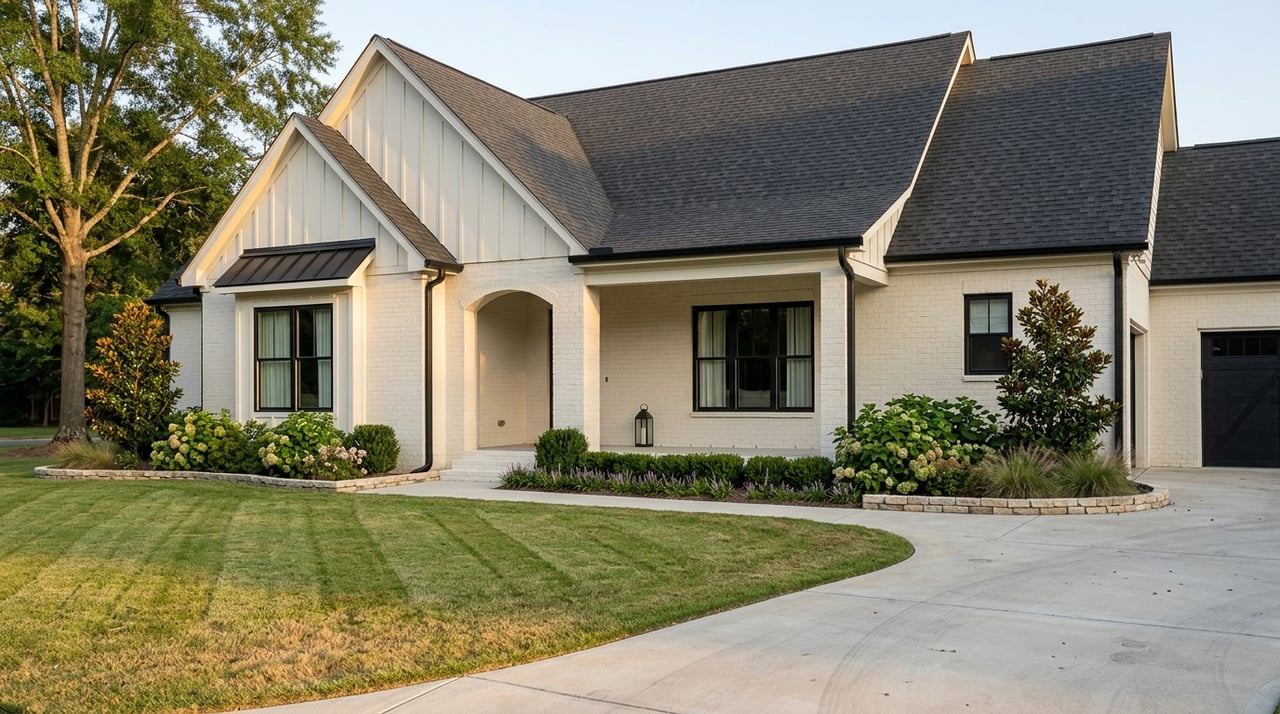
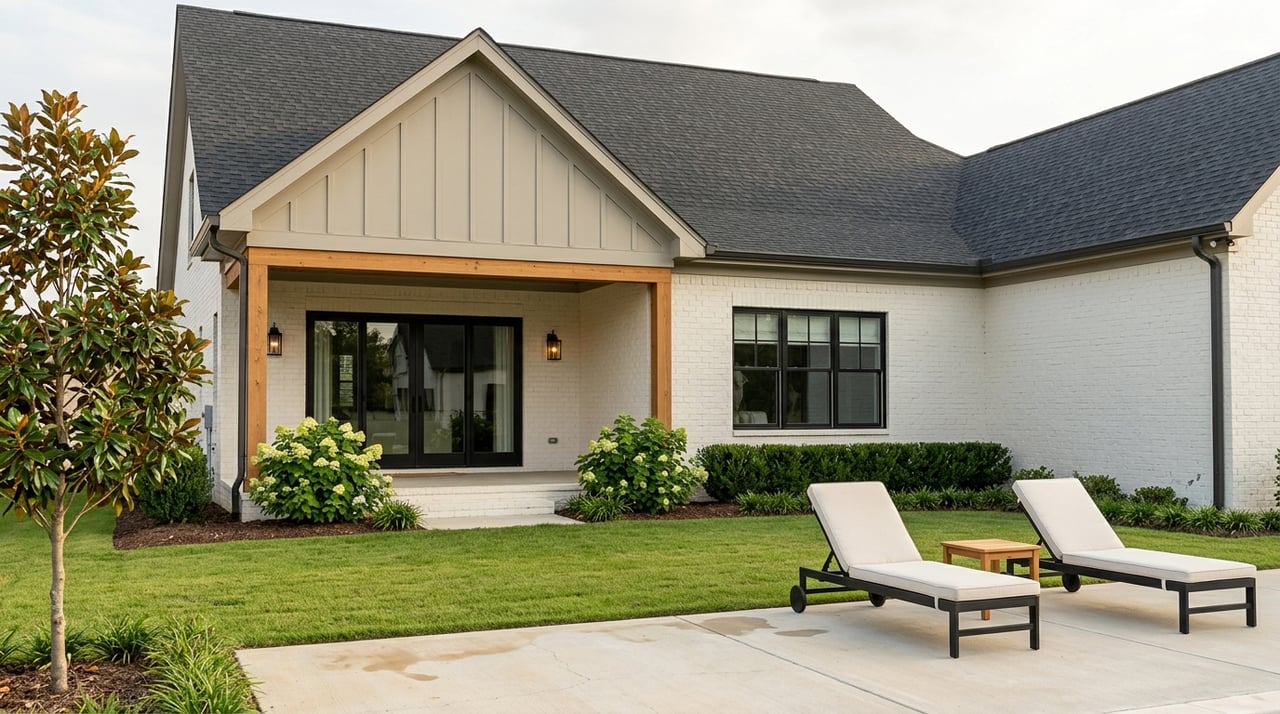
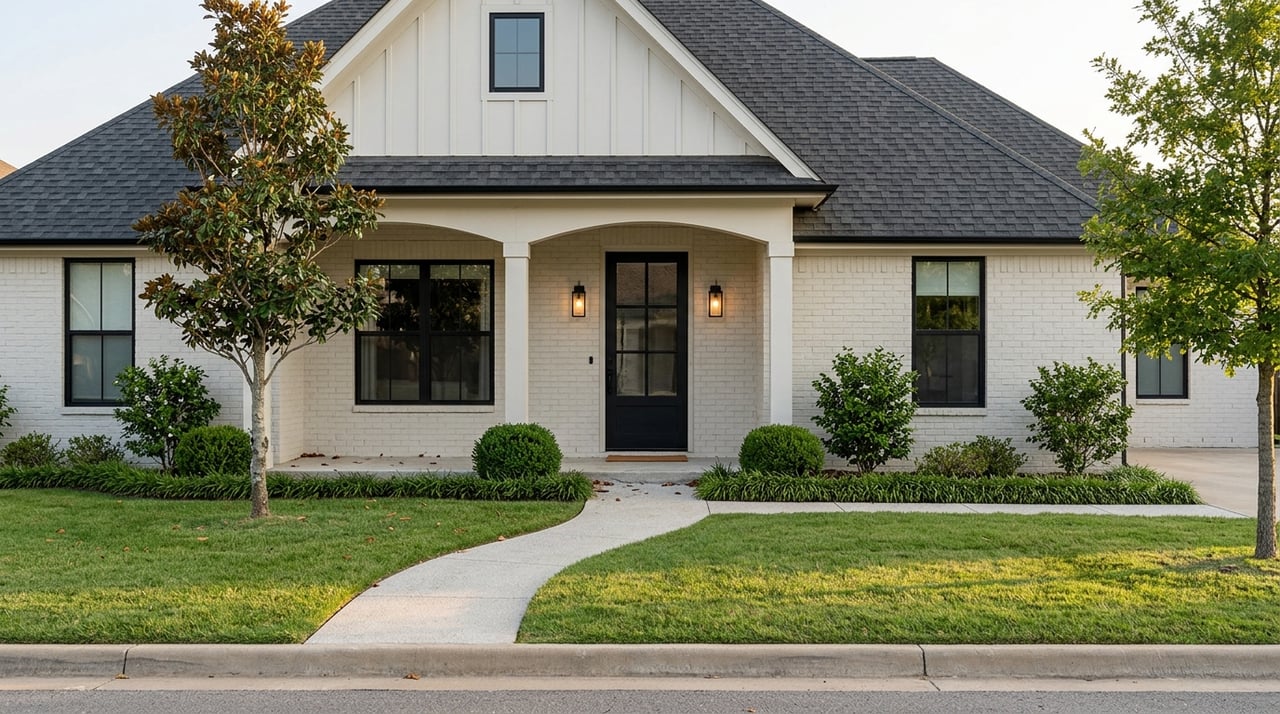
That variety means your options may look very different depending on where you focus. Some buyers are drawn to older in-town homes with architectural detail and established streetscapes. Others may prefer more conventional detached housing with a more modern layout and a suburban feel.
In-town living and historic areas
Tupelo’s planning and preservation documents give helpful context about how different parts of the city developed. In the Mill Village district, homes are mostly small, single-story wood-frame houses, including shotgun and cottage forms, while the South Church Street area includes larger Craftsman bungalows, foursquares, and homes with Colonial or Queen Anne influences, according to the city’s Historic Preservation Guidelines.
The city’s comprehensive planning materials also describe downtown as an area with redevelopment activity and residential reuse, including condo conversions. That suggests in-town living in Tupelo can offer a more mixed-use feel than a purely residential subdivision setting. The same plan describes Highland Circle as a stable historic neighborhood with older homes and common open space, based on the city’s Comprehensive Plan.
Getting around the city
Tupelo is still largely car-oriented, which is important to know before you move. At the same time, it is not entirely car-only. The city maintains about 343 miles of streets, and Tupelo Transit operates an on-demand curb-to-curb service Monday through Friday from 5:30 a.m. to 7:30 p.m., with fares of $2 one way or $4 round trip.
For many new residents, that means driving will likely be part of everyday life, but there are still transit options for some needs. The city’s planning documents also show connections among key destinations like Barnes Crossing, downtown, the medical center, and the university or college area, which reflects how activity is spread across several main corridors.
Cost and stability snapshot
If you are comparing Tupelo to other cities, a few numbers help frame the local picture. The U.S. Census QuickFacts reports a median household income of $66,257, a median owner-occupied home value of $212,800, a median gross rent of $976, and an owner-occupancy rate of 63.4%.
Another useful detail is that 90.4% of residents lived in the same house one year earlier. While every move is personal, that figure suggests a fairly stable residential base. For you, that can translate into a city that feels established rather than constantly in flux.
Who Tupelo may fit best
Based on its population, amenities, transportation patterns, and housing mix, Tupelo may be a strong fit if you want a small-city environment with regional conveniences. You can have a shorter average commute, access to major shopping, local culture, outdoor recreation, and significant health care resources without stepping into a much larger urban setting.
It can also be a good match if you want choices in housing style. Depending on your goals, you may find yourself deciding between historic in-town character, mixed-use living closer to downtown, or more traditional detached housing in other parts of the city.
What to know before you move
Before relocating, it helps to think about your daily priorities instead of focusing only on square footage or price. Ask yourself questions like:
- Do you want to be closer to downtown activity or major retail areas?
- How important is quick access to parks, trails, or weekend recreation?
- Would you prefer an older home with character or a more conventional layout?
- How much does a short commute matter in your routine?
- Do you want a home that supports long-term plans, such as upsizing, downsizing, or investing later?
When you answer those questions first, your home search becomes much more practical. You are not just choosing a house. You are choosing how you want to live in Tupelo.
If you are planning a move to Tupelo, having local guidance can make the process a lot easier. Our team of highly experienced agents at Keller Williams Tupelo can help you compare areas, understand your options, and find a home that fits your goals with clear, honest guidance every step of the way.
FAQs
What is daily life like for a new resident in Tupelo?
- Daily life in Tupelo often centers around a few main hubs like downtown, Barnes Crossing, and local recreation areas, with a generally manageable pace and an average commute time of 18 minutes.
What kinds of homes can you find in Tupelo as a new resident?
- Tupelo offers a mix of historic early-20th-century homes, in-town residential reuse opportunities, and more conventional detached housing, depending on the area and your preferences.
What amenities does Tupelo offer new residents?
- New residents have access to local shopping districts, regional retail at Barnes Crossing, parks, cultural attractions, outdoor recreation, and a major regional hospital in North Mississippi Medical Center-Tupelo.
How do you get around Tupelo as a new resident?
- Most residents get around by car, but Tupelo also offers an on-demand curb-to-curb transit service on weekdays through Tupelo Transit.
Is Tupelo a good fit for someone relocating to a smaller city?
- Tupelo may be a good fit if you want a smaller-city setting with regional amenities, short average commute times, access to shopping and recreation, and a variety of housing options.